
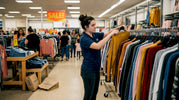
What is fast fashion? How it works, impacts, and trends
, by ShopperDot, 13 min reading time
, by ShopperDot, 13 min reading time
Learn what fast fashion is, how it works, its environmental and social impacts, and what trends are shaping the future of affordable clothing in 2026.
Some brands now release thousands of new clothing styles every single day, making the old idea of two fashion seasons per year feel like ancient history. Thousands of new styles hit virtual shelves daily, turning clothing into something closer to a disposable product than a lasting investment. Fast fashion has fundamentally changed how people shop, what they spend, and what ends up in landfills. This article breaks down exactly what fast fashion is, how the business model works, which brands are leading the charge, what it costs the planet and its workers, and where the industry is heading next.
| Point | Details |
|---|---|
| Rapid trend turnover | Fast fashion brings new, affordable styles to stores in record time by copying runway looks. |
| Hidden costs | Low prices often mean high environmental impact and ethical issues for workers and waste. |
| Major brands lead | Companies like Zara and Shein set the pace for speed and variety in the market. |
| Consumer power | You can make a difference by shopping intentionally and supporting sustainable fashion. |
Fast fashion is not just cheap clothing. It is an entire business system built around speed. Rapid production, trend imitation, and low prices work together to encourage shoppers to buy more, wear items briefly, and replace them quickly. The model emerged in the late 1980s and early 1990s when retailers like Zara began compressing the time between runway trends and store shelves from months down to weeks.
Traditional fashion houses operated on two main seasons: spring/summer and fall/winter. Fast fashion brands blew that model apart by introducing anywhere from 12 to 52 micro-collections per year. Some ultra-fast fashion companies now operate on a continuous drop model with no seasons at all.
The mechanics behind this speed are surprisingly sophisticated. Short production cycles, vertical integration, and data-driven trend analysis allow brands to spot what is selling on social media and have a physical or digital product ready within two to three weeks. Zara, for example, owns much of its supply chain, which lets it move from design to store in as little as 15 days.
Here is a quick look at what separates fast fashion from traditional retail:
| Feature | Traditional fashion | Fast fashion |
|---|---|---|
| Collections per year | 2 to 4 | 12 to 52+ |
| Design-to-store time | 6 to 9 months | 2 to 6 weeks |
| Price point | Moderate to high | Low to very low |
| Expected garment lifespan | Years | Weeks to months |
| Production volume | Planned, limited | High volume, continuous |
Key features that define the fast fashion model include:
Pro Tip: If a brand releases new inventory every week and prices feel almost too good to be true, you are almost certainly looking at a fast fashion retailer. Check how often their “new arrivals” section refreshes.
Not all fast fashion brands operate at the same speed or scale. Some are legacy retailers that pioneered the model, while others are newer digital-first companies that have pushed the concept into overdrive.
Brands like Zara, H&M, Shein, Forever 21, and Temu represent the full spectrum of fast fashion, from relatively controlled production to staggering daily output. Shein alone introduces over 7,200 new items daily, a number that makes even Zara look restrained by comparison.
Here is how the major players stack up:
| Brand | Est. new items/year | Primary market | Model type |
|---|---|---|---|
| Zara | ~10,000 | Global, mid-range | Fast fashion |
| H&M | ~25,000 | Global, budget | Fast fashion |
| Shein | 2.6 million+ | Global, ultra-budget | Ultra-fast fashion |
| Forever 21 | ~40,000 | US, teen/young adult | Fast fashion |
| Temu | Varies widely | US, budget | Marketplace/ultra-fast |
Here is a numbered breakdown of how these brands are reshaping the game:
The rise of ultra-fast fashion brands like Shein has created a new category that traditional fast fashion cannot easily compete with on price or volume. The difference is not just speed. It is the sheer scale of choice offered to consumers at any given moment.
The speed and volume of fast fashion come at a steep cost. The fashion industry’s 10% share of global carbon emissions is directly amplified by fast fashion’s overproduction model, and the industry generates 92 million tons of textile waste every single year. Those are not abstract numbers. They represent mountains of clothing that existed for a few wears before being discarded.
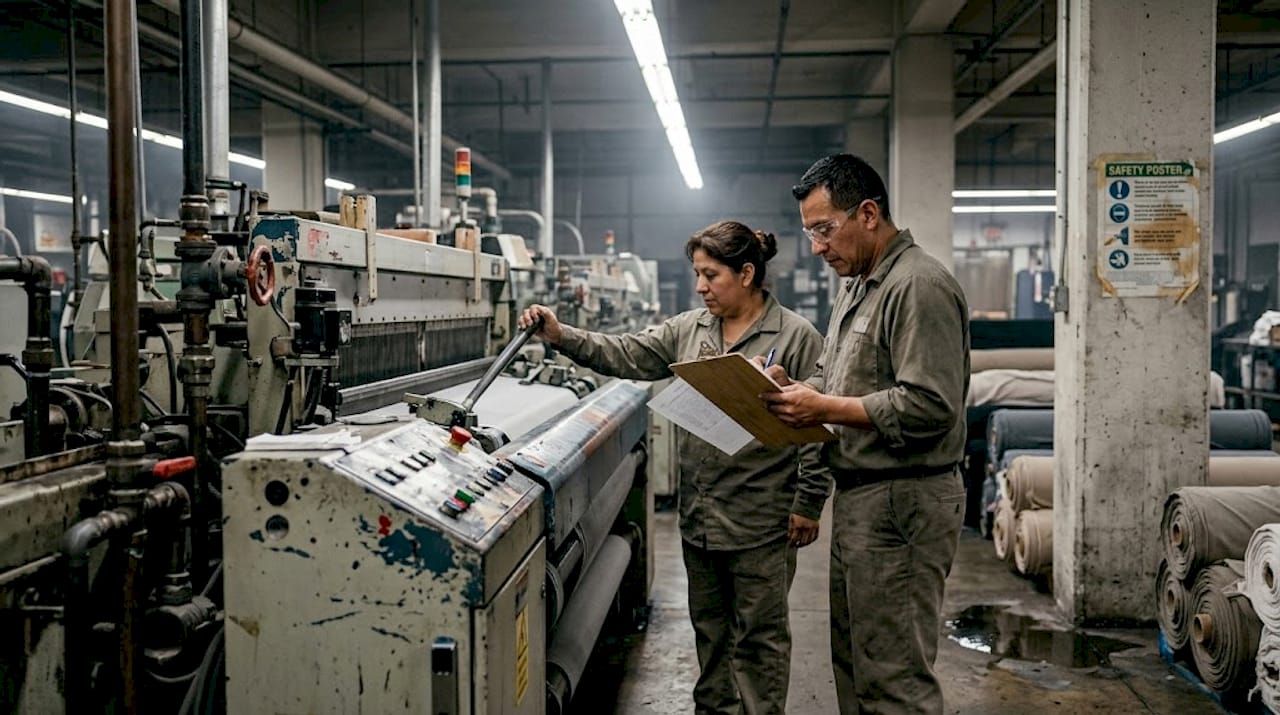
Water use is another critical issue. The industry consumes 93 billion cubic meters of water annually, enough to meet the needs of five million people. Synthetic fabrics like polyester shed microplastics with every wash, and those particles end up in oceans and eventually in the food chain.
On the social side, the picture is equally troubling. US landfills received 11.3 million tons of textiles in 2018 alone. Behind that waste are garment workers, often in developing countries, who face long hours, unsafe conditions, and wages that rarely meet living standards.
Key environmental and social impacts at a glance:
“The fashion industry produces more carbon emissions than international aviation and maritime shipping combined, and fast fashion accelerates every part of that problem.”
Governments are beginning to respond. The European Union has introduced legislation targeting fast fashion, requiring brands to improve durability, repairability, and recyclability of garments. France has gone further, establishing specific criteria to identify and regulate fast fashion products. These are early steps, but they signal that voluntary action alone is not enough.
Pro Tip: Check the fabric label before buying. Natural fibers like cotton, linen, and wool biodegrade far more easily than polyester or nylon blends, making them a slightly better choice when quality and longevity matter.
It is easy to understand why fast fashion is so popular. Shoppers now buy 60% more clothing than they did 15 years ago, and items like H&M shirts priced at $5.99 or jeans at $19.99 make it genuinely difficult to justify spending more. For budget-conscious consumers, fast fashion is not just tempting. It is often the only accessible option.
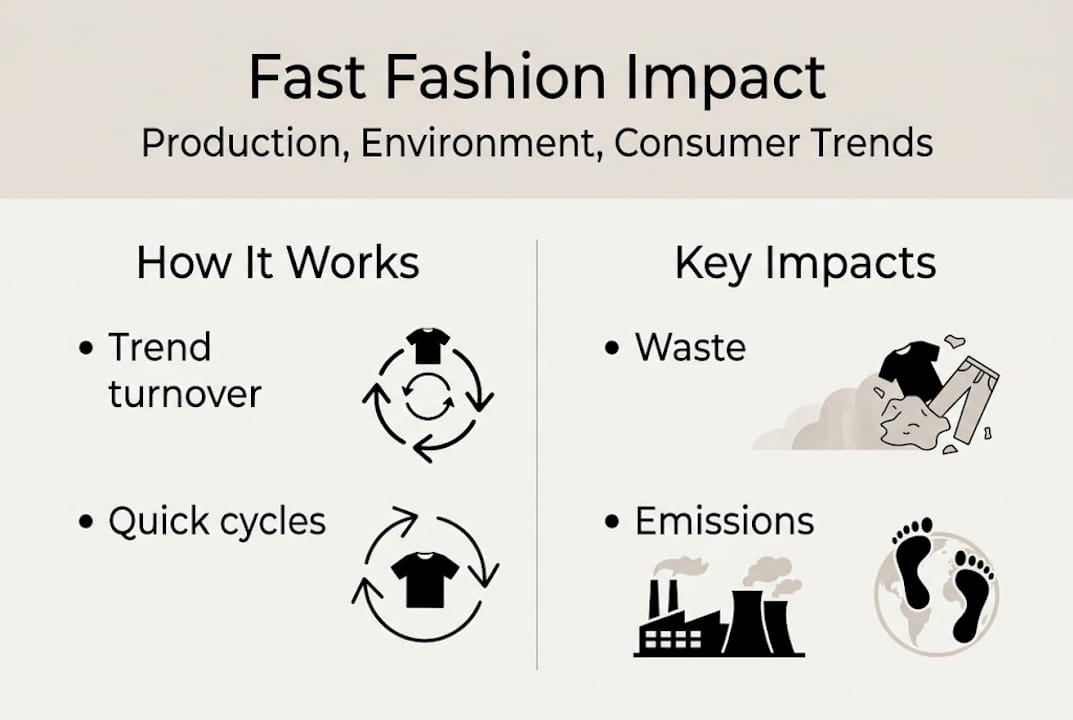
But those low prices carry hidden costs that do not show up at checkout. The real price includes environmental damage, labor exploitation, and the cost of disposing of items that fall apart after a few washes. Consumers are effectively subsidized by workers earning poverty wages and by a planet absorbing the pollution.
Social media has supercharged this cycle. Trends now live and die within weeks on platforms like TikTok and Instagram. A style seen on a creator on Monday can be available from Shein by Friday. That speed creates a constant sense of urgency to buy now before the trend passes.
The US fast fashion market is projected to grow from $46 billion in 2025 to $68 billion by 2032, which tells you that consumer appetite is not shrinking despite growing awareness of the downsides.
Common consumer behaviors that feed the fast fashion cycle:
The dilemma is real. Affordability matters, especially for younger shoppers and those with limited budgets. But understanding what drives those low prices is the first step toward making more intentional choices.
The fast fashion model is facing pressure from multiple directions at once. EU sustainability laws and France’s fast fashion criteria are pushing brands to rethink production volumes and material choices. Circular fashion models, where clothes are designed to be repaired, resold, or recycled, are gaining real traction as an alternative.
Slow fashion is the philosophical opposite of fast fashion. It prioritizes quality materials, ethical production, fair wages, and garments designed to last years rather than weeks. Secondhand platforms like ThredUp, Depop, and Poshmark have made buying pre-owned clothing genuinely cool and accessible, especially for younger consumers.
Here are practical steps you can take right now to shop more responsibly:
Pro Tip: Before buying anything new, check whether a secondhand version exists first. Resale platforms often carry nearly new items at a fraction of the retail price, and you avoid adding to production demand entirely.
Here is something most sustainability conversations miss: guilt does not change industries. Feeling bad about a $7 shirt you already bought accomplishes nothing. What actually moves the needle is building different habits over time, one purchase at a time.
Fast fashion thrives on impulse. The entire system is engineered to make you feel like you need something new right now. Slowing down that impulse, even slightly, is genuinely powerful. Asking yourself whether you will wear something 20 times before buying it is not restrictive. It is clarifying.
We also think the framing of “slow fashion” as sacrifice gets it wrong. Owning fewer, better things is not deprivation. It is a different relationship with your wardrobe, one where individual pieces actually mean something. A well-made dress you wear for three years costs far less per wear than five $15 dresses that fall apart.
Demanding transparency from brands matters too. When consumers consistently ask where clothes are made and under what conditions, brands eventually respond. That is not idealism. That is market pressure working exactly as it should. Your closet is one of the most direct expressions of your values, and small, consistent choices there add up to something real.
Understanding fast fashion is the first step. Knowing where to find pieces that balance style, quality, and value is the next one.
At ShopperDot.com, we curate fashion with both trend-awareness and quality in mind. Whether you are looking for a versatile women’s floral maxi dress that transitions across seasons or a comfortable yoga crewneck sweatshirt built for everyday wear, our collections are chosen to offer genuine value rather than throwaway style. Explore new arrivals, seasonal picks, and lifestyle essentials all in one place, with pricing that respects your budget without sacrificing the quality that makes a piece worth keeping.
Fast fashion is a business model that rapidly produces and sells trendy, inexpensive clothing inspired by luxury designs, built around frequent replacement rather than lasting wear.
It drives overproduction, massive textile waste, and heavy water use. The industry uses 93 billion cubic meters of water annually and generates 92 million tons of textile waste each year.
Not necessarily. Fast fashion is defined by rapid production cycles and trend-chasing, not price alone. An affordable garment from a slow fashion brand made with quality materials is not fast fashion.
Focus on buying fewer, higher quality pieces, explore secondhand options first, and research brands using ethical rating tools before purchasing.
Zara, H&M, Shein, Forever 21, and Temu are among the most recognized fast fashion and ultra-fast fashion companies operating today.