

Expert budget shopping tips: save more without sacrificing style
, by ShopperDot, 12 min reading time
, by ShopperDot, 12 min reading time
Discover expert budget shopping tips that help you save 20-55% on groceries, fashion, and home goods without giving up quality or style.
Prices have climbed sharply since 2020, and most household budgets are feeling it. Food prices rose 26-29% since 2020, with the average family of four now spending over $1,200 a month on groceries alone. But here is the thing most people get wrong: saving money does not mean settling for less. It means shopping with intention. Whether you are buying groceries, updating your wardrobe, or refreshing your home, the right strategies let you keep quality and style without blowing your budget. This guide breaks down exactly how to do it, step by step.
| Point | Details |
|---|---|
| Plan before shopping | Making lists and meal prepping saves up to 30% by cutting impulse purchases. |
| Choose store brands | Switching to store brands for most items drops costs by up to 40% without sacrificing quality. |
| Shop around for deals | Discount stores, secondhand options, and multi-store routines deliver significant savings. |
| Maximize tech tools | Use price tracking apps, cashback tools, and unsubscribe from retailer lists to control spending. |
| Intentional buying wins | Combining smart strategies with mindful habits prevents waste and supports long-term savings. |
The single biggest drain on any shopping budget is not the price tag. It is the lack of a plan. When you walk into a store without a list, you are essentially handing retailers permission to decide what you spend. Planning changes that dynamic completely.
Start with a weekly meal plan. Before you write a single item on your list, check your pantry, fridge, and freezer. You will be surprised how much you already have. Then build your meals around what needs to be used first, and fill in the gaps with a strict, categorized shopping list. Stick to it.
Meal planning and strict shopping lists reduce grocery spending by 20 to 30% by cutting impulse buys and waste. For a family spending $1,200 a month, that is $240 to $360 back in your pocket every single month. Over a year, that is real money.
Here is a simple process to get started:
Pro Tip: Dedicate one hour each week to meal planning and list writing. Treat it like an appointment you cannot cancel. Families that do this consistently report saving $100 to $200 per month without any other changes.
This habit does not stop at groceries. Apply the same logic to clothing, electronics, and home goods. Before shopping for anything, set a category budget and a list of what you actually need. Impulse buys in fashion and home decor are just as costly as unplanned grocery runs.
Once your plan is in place, the next move is making smarter choices about what you actually put in your cart. This is where most shoppers leave serious money on the table.
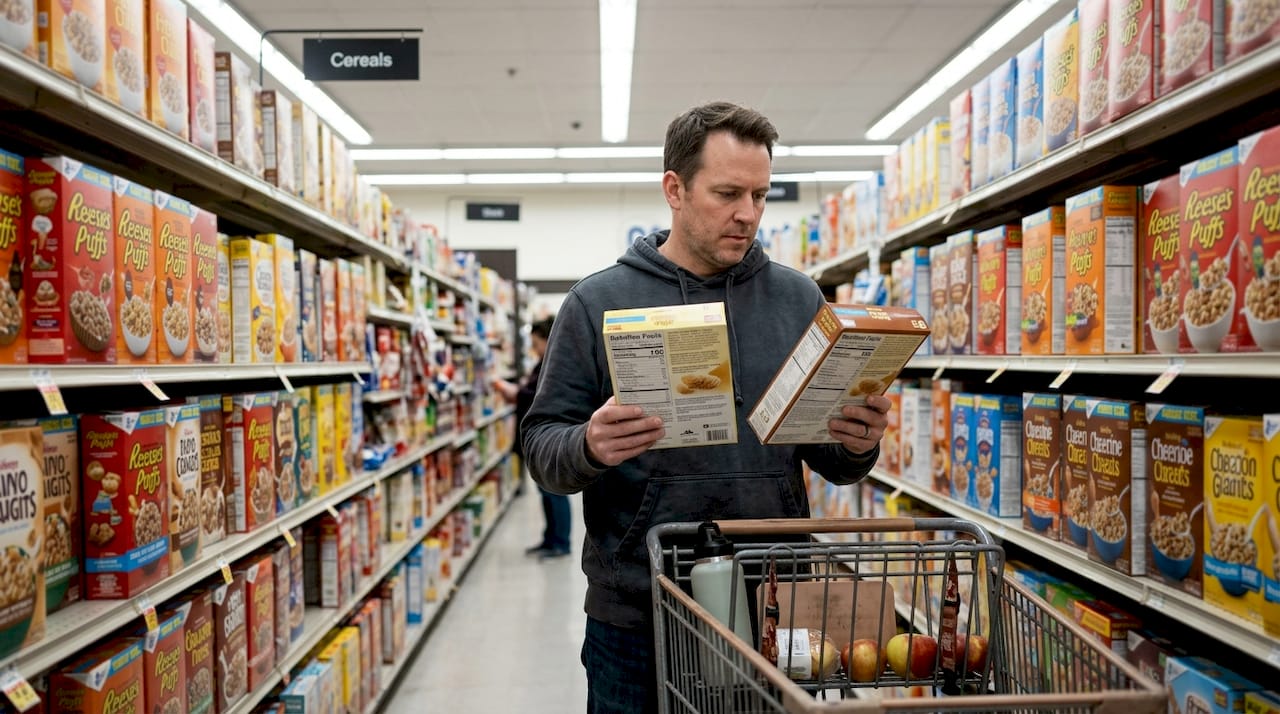
Store brands are one of the most underrated tools in a budget shopper’s arsenal. Store brands cost 15 to 40% less than name brands, and in many categories, the quality is identical or better. Pasta, canned goods, cleaning supplies, and over-the-counter medications are categories where store brands consistently outperform their price difference.
| Category | Name brand avg. price | Store brand avg. price | Savings |
|---|---|---|---|
| Pasta (1 lb) | $2.49 | $1.29 | 48% |
| Canned tomatoes | $1.89 | $0.99 | 48% |
| Pain reliever (100 ct) | $9.99 | $5.49 | 45% |
| Dish soap (24 oz) | $4.29 | $2.79 | 35% |
| Breakfast cereal | $5.49 | $3.29 | 40% |
“Switching 70% of your purchases to store brands saves the average family hundreds of dollars each year without any noticeable drop in quality.”
Beyond brand choices, comparison shopping is essential. Here are the most effective tactics:
In 2026, AI-powered price tools at major grocers are making it easier than ever to spot the best value in real time. Some apps now scan your list and automatically suggest the cheapest store for each item in your area.
Pro Tip: Never assume the bulk or family-size pack is cheaper. Always divide the total price by the number of units or ounces to get the true unit price. You will catch overpriced bulk items more often than you expect.
Where you shop matters just as much as what you buy. Sticking to one store out of habit or convenience is one of the most common ways shoppers overpay.
Discount stores like Aldi, Lidl, and Costco offer prices 20 to 40% lower than traditional supermarkets on many staples. Secondhand and refurbished items can save you 50% or more compared to buying new. Multi-store shopping, splitting your list across two or three stores, typically boosts overall savings by 15 to 25%.
| Store type | Typical savings vs. traditional retail | Best for |
|---|---|---|
| Discount grocer (Aldi, Lidl) | 20-40% | Pantry staples, produce |
| Warehouse club (Costco, Sam’s) | 15-30% | Non-perishables, household goods |
| Secondhand/thrift | 50-80% | Clothing, furniture, appliances |
| Refurbished electronics | 30-60% | Gadgets, tools, tech |
| Online discount retailers | 10-35% | Fashion, home decor, accessories |
“Many quality appliances, clothes, and even home goods are over 50% less secondhand, and the items are often barely used.”
Here are the smartest ways to expand your shopping sources:
The key insight here is that no single store wins across every category. The shoppers who save the most treat their shopping routine as a flexible system, not a fixed habit.
With sourcing covered, the final layer of budget mastery is about squeezing extra value out of every transaction and protecting your budget from the habits that quietly drain it.
Seasonal and frozen produce costs 3 to 5 times less than out-of-season fresh options, and frozen vegetables are nutritionally equivalent to fresh. Cashback apps can add $20 to $50 per month in rewards with almost no extra effort.
Here is a practical monthly savings routine:
Pro Tip: Set up Ibotta and Fetch on your phone before your next grocery run. Link your store loyalty card and let the apps do the work. Most users report earning $20 to $50 back per month with minimal extra effort.
No-buy and low-buy monthly challenges are gaining traction in 2026 as effective tools for resetting spending habits. The idea is simple: pick one category each month where you spend nothing extra. Clothing, takeout, and home decor are popular starting points. Pair this with social accountability, a friend or online group, and the success rate climbs significantly.
Keep a quick monthly checklist on your phone: Did I use a cashback app? Did I check unit prices? Did I wait 48 hours before impulse buys? Did I stay within my category caps? These four questions take 30 seconds and keep your budget on track.
Most budget guides tell you to buy in bulk, clip coupons, and bargain hunt. That advice is not wrong, but it misses a critical point: chasing every deal can actually cost you more.
Bulk buying perishables leads to 20 to 30% waste for the average household. The deal paradox is real. When you buy something just because it is on sale, you are not saving money. You are spending money you had not planned to spend. The savings are theoretical. The spending is real.
The most effective budget shoppers in 2026 are not the ones hunting every markdown. They are the ones who have made smart shopping automatic. Digital lists, price tracking apps, and a clear sense of what actually matters to them have replaced the exhausting cycle of deal chasing.
“Saving the right way is not about deprivation. It is about thoughtful, flexible choices. Waste less, buy what matters.”
That mindset shift is what separates people who save consistently from people who save occasionally. Combine clear priorities with the right technology, and budget shopping stops feeling like a sacrifice. It starts feeling like control.
Ready to put these strategies into action? ShopperDot.com is built for exactly the kind of shopper this guide is written for: someone who wants quality and style without overpaying.
Browse a curated selection of on-trend affordable dresses and stylish everyday essentials that fit a real budget. Looking to refresh your space without a big spend? Explore budget-friendly home decor options that bring personality to any room. From fashion to accessories to home goods, ShopperDot.com makes it easy to shop smart and look great doing it. Check back regularly for new arrivals, seasonal deals, and curated collections designed to stretch every dollar further.
Bulk buying saves money only when you actually use what you purchase. Overbuying perishables can waste up to 30% of your budget, so always inventory first.
Yes. Store brands cost 15 to 40% less than name brands and frequently match or exceed them in quality, especially for pantry staples and household products.
Ibotta and Fetch are the top performers, with users earning $20 to $50 per month in cashback rewards through automatic coupon stacking and loyalty card integration.
Implementing the top five strategies delivers 20 to 30% savings in the first month. Using the full set of tips consistently can push total savings to 35 to 55% over time.
Article generated by BabyLoveGrowth